Darknet Markets 2026:
The dark web is part of the deep web but is built on darknets: overlay networks that sit on the internet but which can't be accessed without special tools or software like Tor. Tor is an anonymizing software tool that stands for The Onion Router — you can use the Tor network via Tor Browser.
| Darknet Market | Established | Total Listings | Link |
|---|---|---|---|
| TorZon Market | 2022 | 140+ | Onion Link |
| Nexus Market | 2024 | 600+ | Onion Link |
| Abacus Market | 2022 | 100+ | Onion Link |
| Ares | 2026 | 100+ | Onion Link |
| Cocorico | 2023 | 110+ | Onion Link |
Updated 2026-07-28
How Darknet Sites Make Anonymous Shopping Easy and Secure
Modern darknet sites function as specialized e-commerce platforms where anonymity is the foundational principle. These sites operate on overlay networks like Tor or I2P, which conceal a user's IP address and location by routing traffic through multiple encrypted layers. This technical infrastructure makes it exceptionally difficult to trace a visitor's activity back to their physical identity, creating a protected environment for anonymous shopping.
The process begins with access. Users employ the Tor Browser, which is designed to access .onion domains. These domains are not indexed by conventional search engines and exist solely within the encrypted network. Upon reaching a darknet site, the interface is often familiar, resembling a standard online marketplace with product categories, vendor stores, and shopping carts. The critical difference lies in the integrated privacy measures. All communications, from browsing listings to messaging vendors, are end-to-end encrypted. This ensures that even the marketplace administrators cannot read private messages, placing control of personal data directly with the user.
Transaction security is achieved through a combination of cryptocurrency and escrow services. Buyers fund a marketplace wallet, and funds are held in escrow until the order is fulfilled and confirmed. This system protects both parties: vendors are assured of payment, and buyers have a mechanism for dispute resolution if goods are not delivered. The entire financial trail is pseudonymous, as cryptocurrency transactions are recorded on a public ledger but linked to wallet addresses, not personal identities. For enhanced security, users employ tumbling services or use privacy-focused coins like Monero to further obfuscate the financial trail.
The ecosystem is self-regulating through robust feedback and review systems. Every transaction can be rated, and vendor profiles display detailed statistics on completed orders and positive ratings. This creates a transparent reputation framework where high-quality, reliable vendors thrive, and fraudulent activity is quickly identified and reported by the community. Buyers make informed decisions based on this accumulated trust data, which directly influences market dynamics and vendor behavior, promoting consistent product quality and professional service.
How Encryption Keeps Darknet Trade Safe and Private
Encryption is the fundamental layer that makes anonymous trade on a darknet site possible. It functions at multiple levels to separate a user's identity from their activity. The first and most critical component is the network itself, typically Tor or I2P. These systems encrypt and route a user's connection through several volunteer-run relays, making it extremely difficult to trace the origin or destination of the data.
Beyond network anonymity, darknet sites employ end-to-end encryption for all communications. When a buyer contacts a vendor, their messages are encrypted with a public key that only the vendor's private key can decrypt. This means the platform itself cannot read the contents of the conversation, which often includes sensitive details like delivery addresses. This system ensures that private negotiations remain confidential.
The integrity and authenticity of the darknet site are also protected by encryption. PGP/GPG keys are universally used to verify identities. A vendor's public PGP key, listed on their profile, allows buyers to encrypt messages that only that vendor can read. Conversely, vendors sign their listings or messages with their private key, and buyers can use the public key to verify the signature. This proves the message genuinely came from that vendor and was not altered, preventing common scams like phishing or man-in-the-middle attacks.
The practical application creates a secure environment where users can operate with confidence:
- Personal data is obscured by the anonymizing network.
- Transaction details are secured with end-to-end encryption.
- Digital signatures guarantee the authenticity of all parties and information.
How Cryptocurrency Makes Buying on the Darknet Easy and Safe
The operational foundation of any modern darknet site is its payment system. Cryptocurrencies, primarily Bitcoin and Monero, provide the necessary layer of financial anonymity that mirrors the privacy of the network itself. These digital currencies enable transactions without linking real-world identities to purchases, as traditional banking systems would. The blockchain records transactions, but wallet addresses are not inherently tied to personal data, creating a pseudonymous environment.
This system functions through a structured process:
- A buyer funds their personal cryptocurrency wallet from an exchange.
- On the darknet site, they send the exact amount to a unique, transaction-specific address provided by the vendor or an escrow service.
- The funds are held in escrow until the buyer confirms receipt of the product, after which they are released to the vendor.
Everything You Need on the Darknet
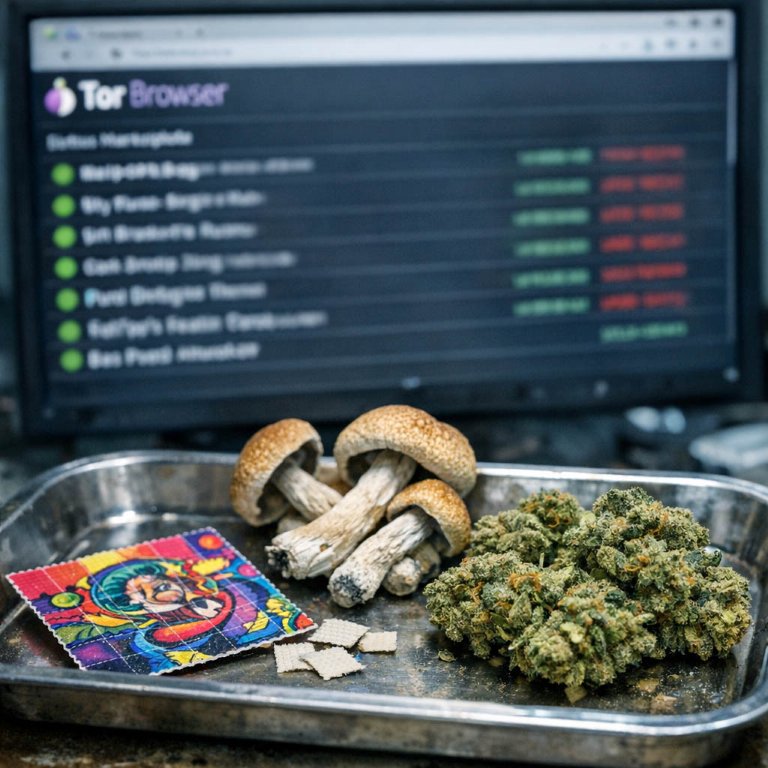
The product diversity on modern darknet sites is a primary driver of their economic activity. These platforms function as comprehensive digital marketplaces, far exceeding the limited offerings of early forums. The catalog is systematically organized into categories, enabling efficient navigation. A standard product listing includes detailed specifications, high-resolution photographs, and clear terms of sale.
The range encompasses various controlled substances, from plant-based materials to synthetic compounds and prescription pharmaceuticals. Each product entry provides data on purity, expected dosage, and country of origin. This level of detail allows for informed purchasing decisions. The market also facilitates access to digital goods, such as software tools and compromised data, alongside physical items including counterfeit documents and specialized electronics.
Vendor shops operate as storefronts within the larger marketplace, often specializing in specific product lines. This specialization fosters expertise and consistency in product quality. The competitive environment pressures vendors to maintain high standards and accurate product descriptions to secure positive feedback. The feedback system itself creates a transparent record of vendor performance, directly linking product quality to commercial success.
The logistical framework supporting this selection is robust. It includes integrated escrow services, automated order tracking, and discreet packaging protocols. These features standardize the transaction process, making it as reliable as conventional e-commerce. The result is a consumer-oriented ecosystem where choice, information, and transactional security converge to support anonymous trade.
How Reviews Make Buying on the Darknet Safe and Reliable
The feedback system on a darknet site functions as a decentralized reputation mechanism, directly replacing the need for institutional oversight. User reviews provide a transparent record of a vendor's reliability, product consistency, and shipping discretion. This creates a self-regulating environment where high-quality vendors are economically incentivized to maintain their standards.
Reviews typically detail specific transactional elements:
- the precise weight and purity of the received product
- the speed and stealth of packaging
- the vendor's professionalism in communication

How Direct P2P Trade Makes Darknet Shopping Efficient
The operational model of modern darknet sites is fundamentally built on direct peer-to-peer (P2P) exchange. This architecture removes traditional intermediaries, such as banks or corporate platforms, creating a streamlined and resilient marketplace. The efficiency gain is substantial, as it allows vendors and buyers to negotiate and transact with minimal friction and overhead cost.
This P2P framework enables several key advantages:
- It facilitates faster order fulfillment and shipping, as communication flows directly between the involved parties.
- It reduces marketplace fees, allowing for more competitive pricing and better value for the buyer.
- The decentralized nature makes the marketplace less vulnerable to single points of failure, enhancing its overall stability and uptime.
The mechanism is supported by integrated escrow services, which hold the buyer's cryptocurrency until the product is received and confirmed. This system maintains the trustless nature of P2P trade while providing a critical security layer. The funds are only released to the vendor upon buyer confirmation, which incentivizes honest conduct and high-quality product delivery. This combination of direct interaction and secured transactions creates an efficient and self-regulating economic environment, optimizing the process of anonymous shopping from browsing to final delivery.
How Darknet Markets Keep Your Trades Safe and Private
The operational foundation of a modern darknet site is its transactional security and privacy. This is not an optional feature but the core requirement that enables all other functions. The architecture is designed to create a secure environment where the identities of both buyer and seller are protected by default.
Every transaction leverages end-to-end encryption, often facilitated by the site's internal messaging system. This means communication, including order details and shipping addresses, is scrambled and can only be read by the intended recipient. The platform itself acts as a secure conduit, not a data repository. For additional security, many experienced users employ PGP encryption independently, adding a personal layer of security that the platform cannot compromise.
Financial privacy is achieved through cryptocurrency and a mandatory escrow system. When a purchase is made, the buyer's funds are held in escrow by the site's automated system. The vendor is notified to ship the product, but they do not receive payment until the buyer confirms satisfactory receipt. This mechanism directly prevents common fraud scenarios and builds necessary trust. The release of funds is a user-controlled action, shifting power from the vendor to the buyer and ensuring vendor accountability.
The combination of these systems creates a resilient framework:
- Encrypted communications protect operational data.
- Cryptocurrency obscures financial trails.
- Escrow services enforce honest conduct.
How Trust and Reviews Build Good Business on the Darknet
The foundation of a functional darknet marketplace is the vendor-customer relationship, which is structured entirely by reputation and transactional history. Unlike conventional retail, these platforms lack legal recourse, so trust is built through transparent, crowd-sourced feedback systems. Every transaction concludes with a mandatory review, where buyers rate the product's quality, shipping speed, and communication. This creates a self-regulating ecosystem where vendors with consistent high ratings gain prominence and trust, while those with poor feedback are marginalized.
The reputation system is quantified and permanent. A vendor's profile displays key metrics:
- Overall rating percentage (e.g., 4.95/5)
- Total number of completed transactions
- Detailed feedback comments for each sale
Long-term relationships are common, with buyers returning to trusted vendors for consistent quality. This dynamic fosters a stable market environment where ethical business practices are incentivized. The direct communication channels, often using end-to-end encrypted messaging, further solidify these relationships, allowing for clarification of order details and building a record of successful interactions. The model proves that even in an anonymous environment, sustainable commerce relies on verifiable trust and repeated satisfactory exchanges.